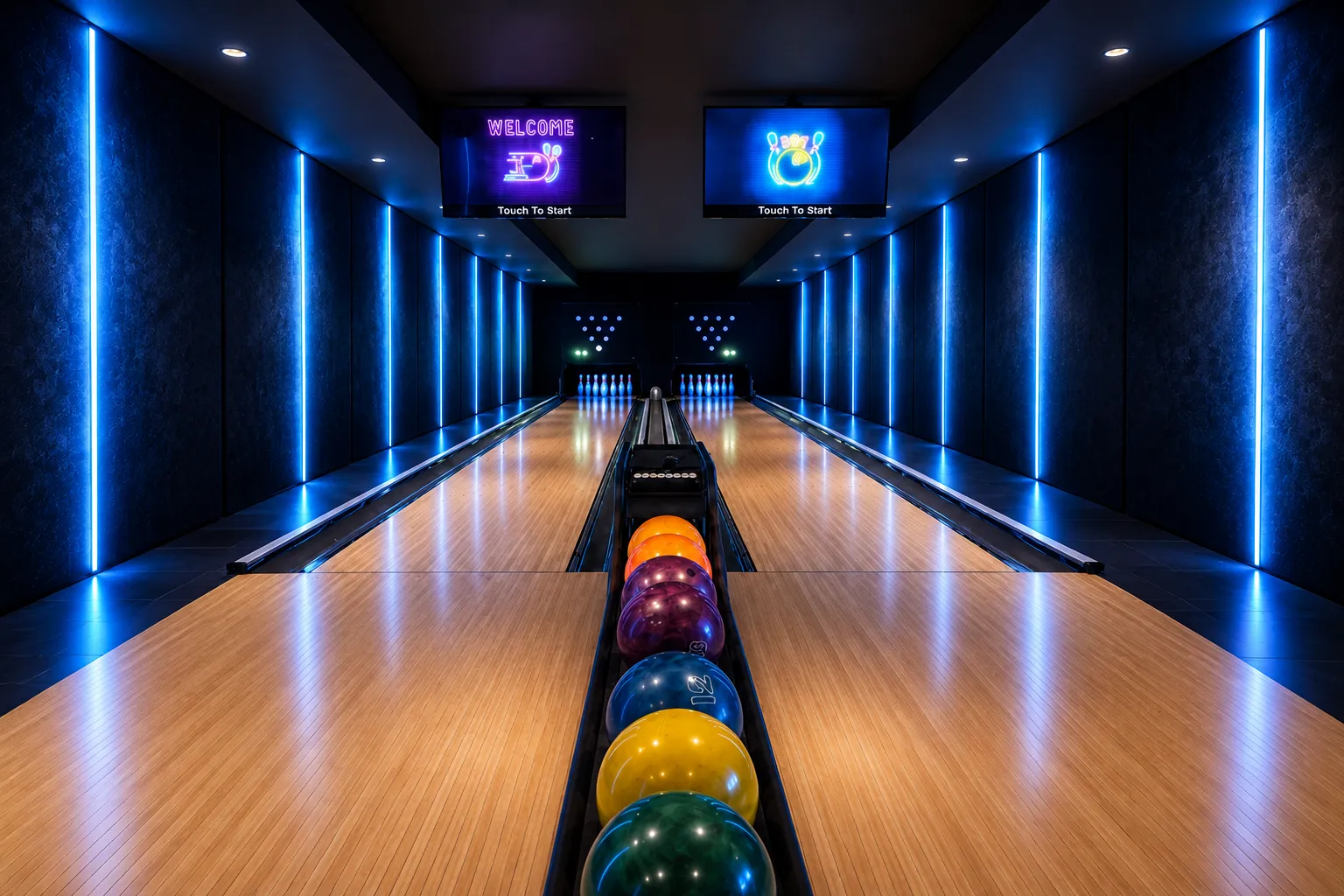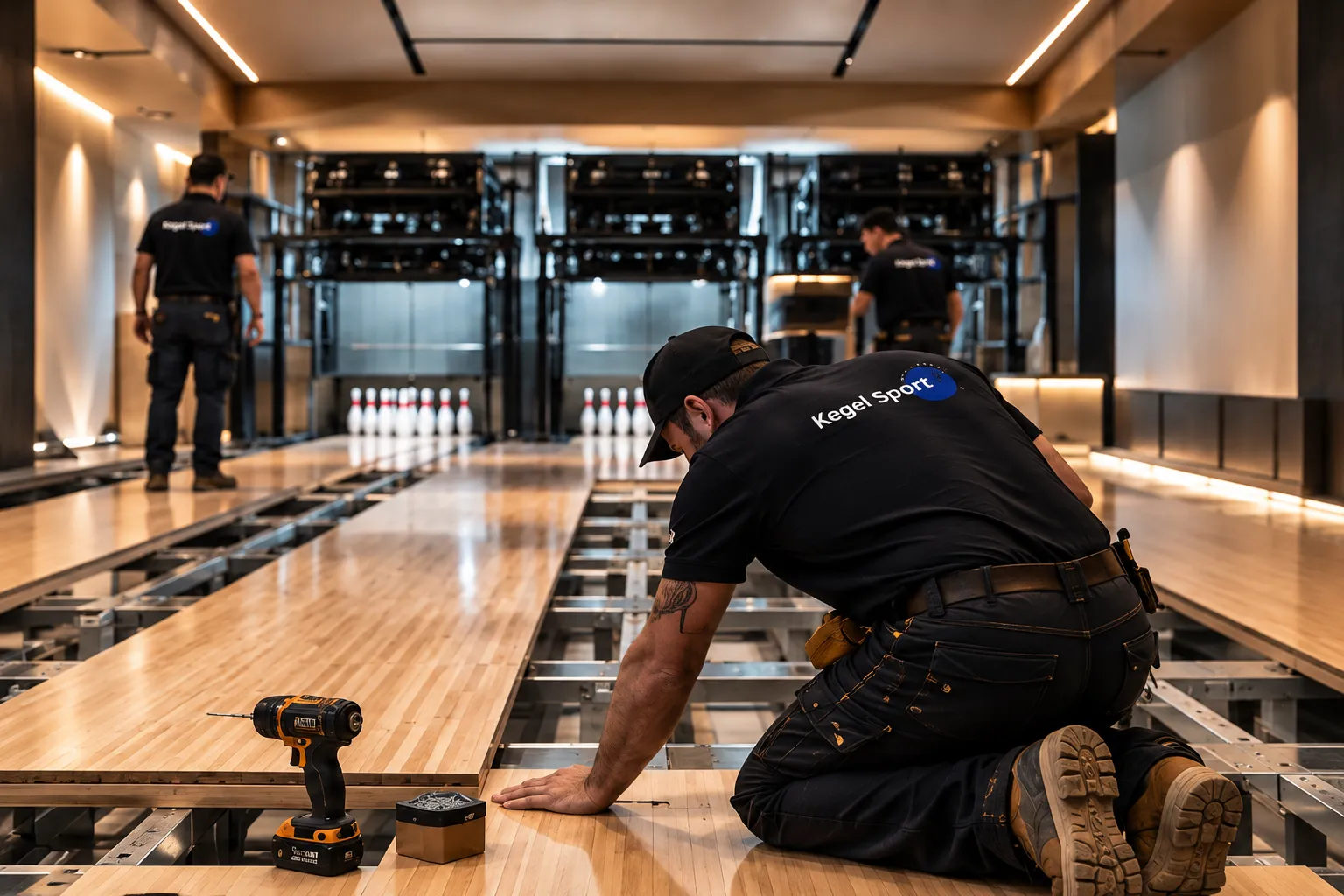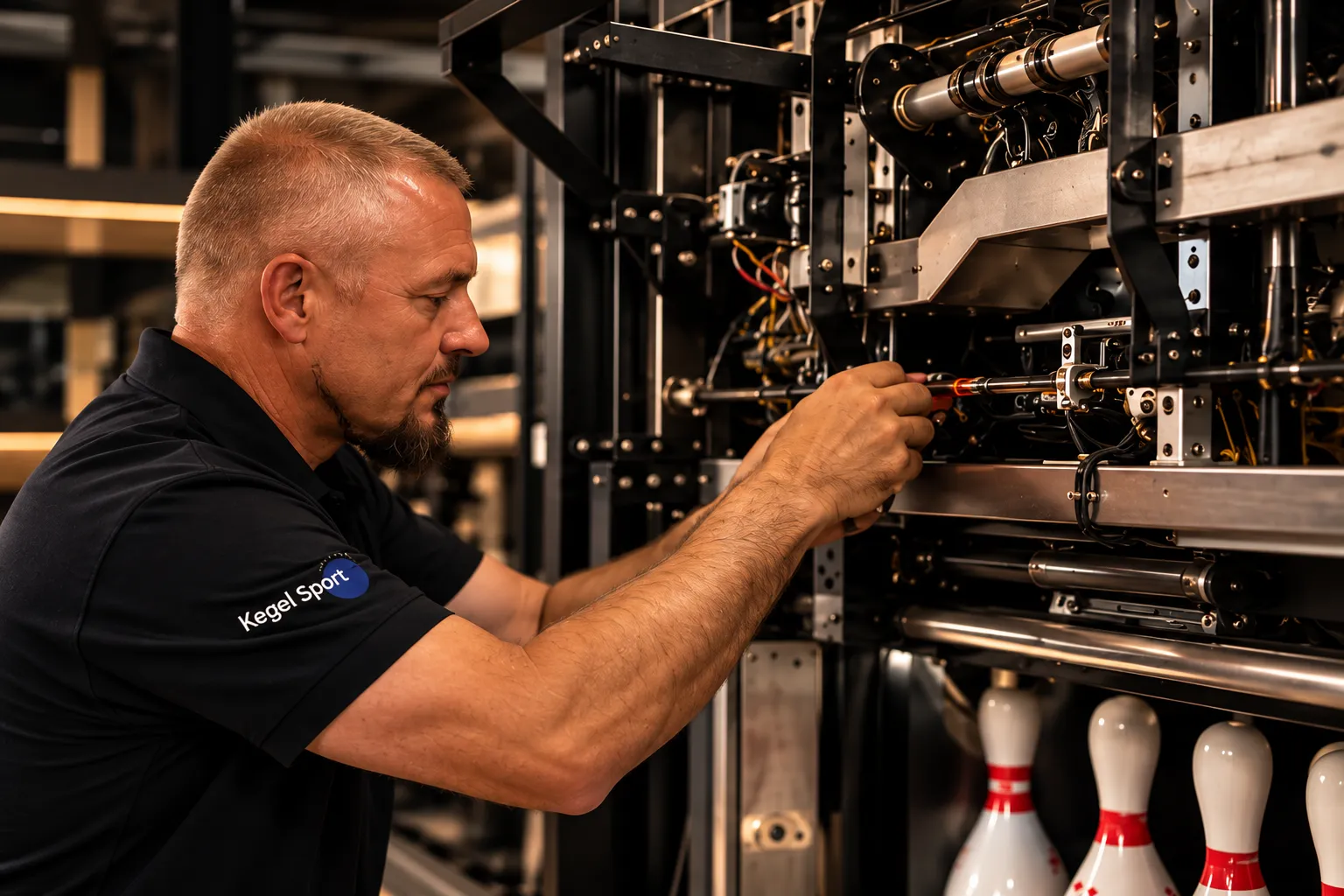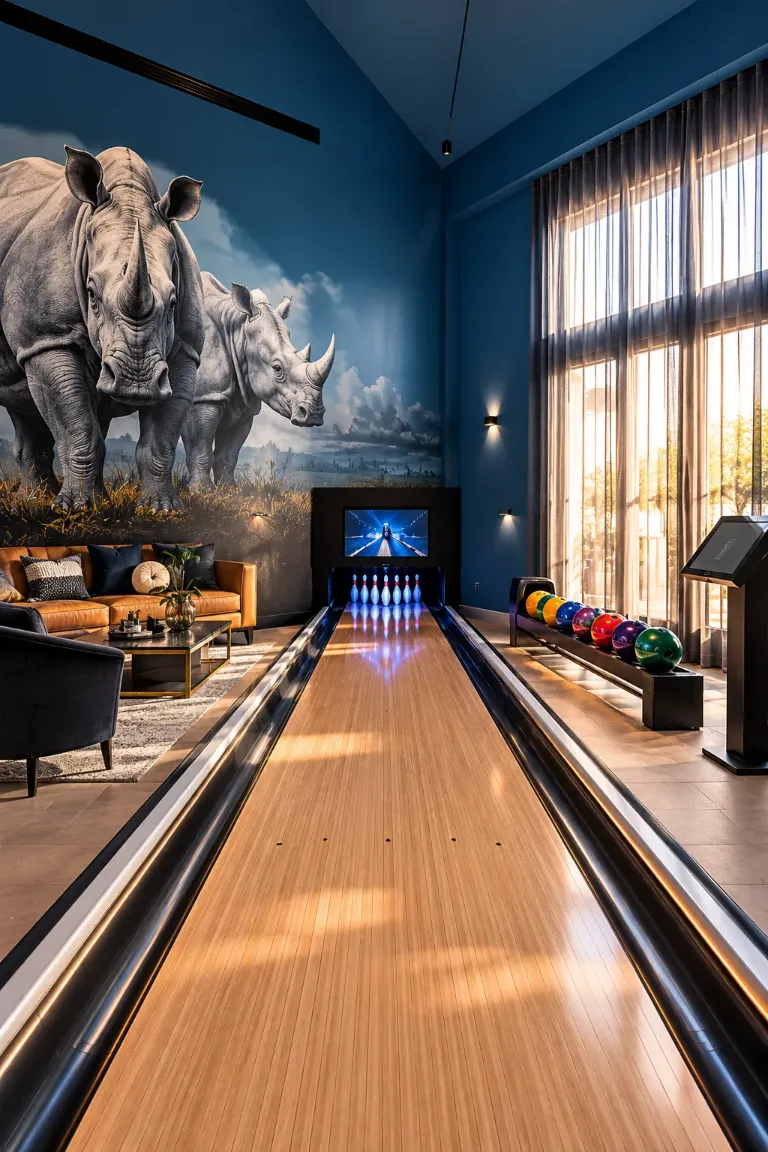
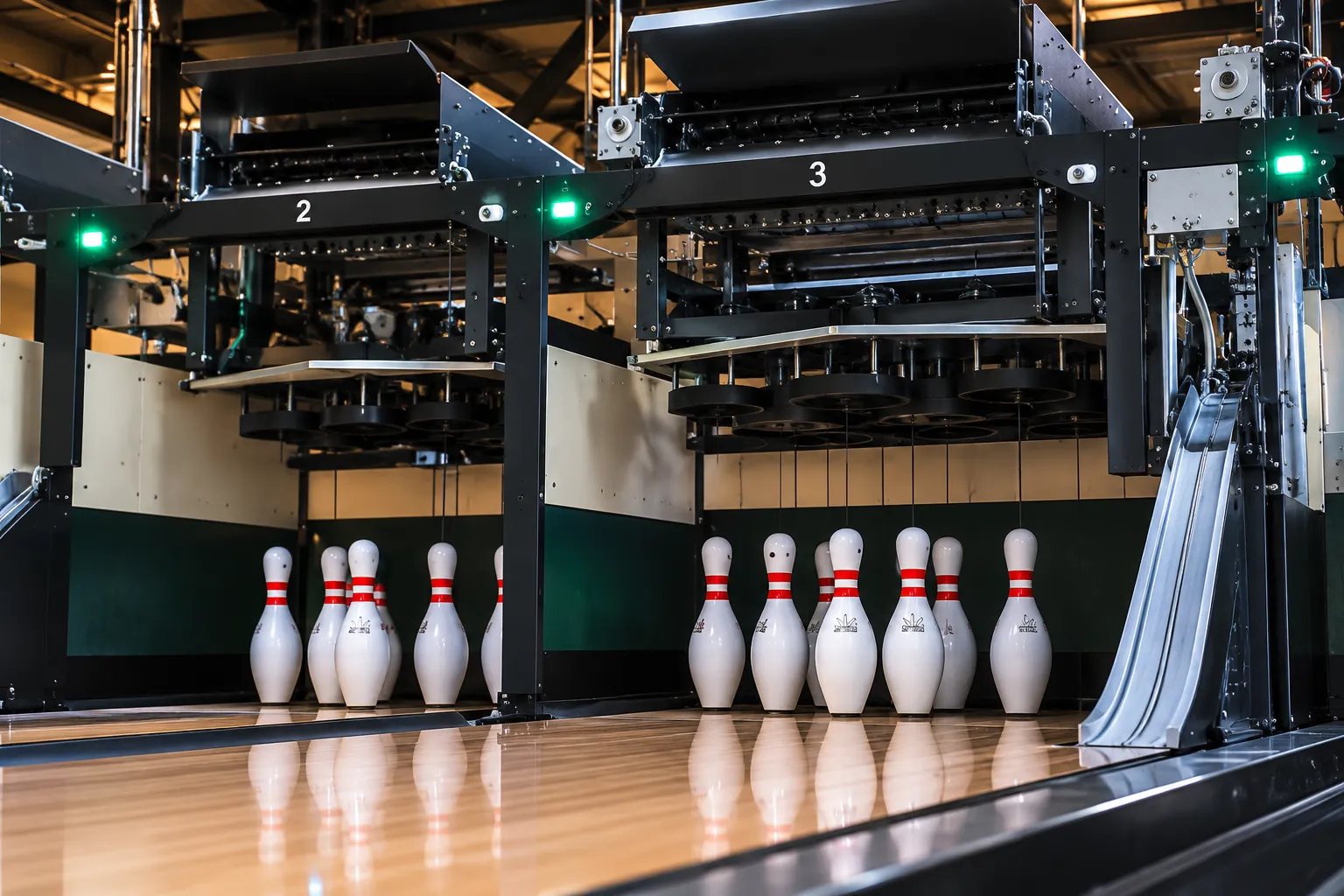
Kegel Sport has been leading innovation in the Australian bowling industry since 2003, when we introduced the country’s first ‘String’ pin-setter. With a strong focus on reliability and performance, we’re proud to deliver top-tier customer service and expert equipment installations to bowling centres nationwide.
We specialise in low-maintenance, cost-effective solutions that provide a true, authentic bowling experience. Backed by years of hands-on experience with a wide range of bowling technologies, we’ve carefully curated a product line designed to:
At Kegel Sport, we don’t just supply equipment—we provide complete, customised solutions. From initial design to seamless installation and ongoing technical support, we’re your trusted partner in delivering premium bowling environments.
Bowling has developed over many centuries. Long before the modern tenpin bowling centre, people throughout Europe played games that involved rolling a ball towards wooden pins or skittles.
Modern bowling has grown from these traditional European games into several recognised forms, including nine-pin bowling, tenpin bowling and compact bowling systems designed for smaller spaces.
Kegel Sport continues this tradition in Australia by combining European bowling knowledge, German engineering and Australian design and installation experience.
The European Origins of Nine-Pin Bowling
One of the oldest established forms of bowling is nine-pin bowling, known in Germany as Kegeln.
The German word Kegel means a bowling pin, while Kegelbahn means a bowling lane. Nine-pin bowling uses nine pins arranged in a diamond formation rather than the ten pins arranged in a triangle used in modern tenpin bowling.
Nine-pin bowling became a popular sporting and social activity throughout Germany and other parts of Europe. Today, the World Ninepin Bowling Association remains the international governing body for nine-pin bowling and recognises different disciplines, including Classic and Schere bowling.
Traditional European nine-pin lane styles include:
The Development of Tenpin Bowling
Tenpin bowling developed from earlier European pin-bowling traditions, particularly German Kegeln and nine-pin bowling.
Tenpin bowling uses ten pins arranged in a triangular formation. It also generally uses a larger ball with finger holes, open gutters on both sides of the lane and a scoring system based on ten frames, strikes and spares.
The exact origin of tenpin bowling is not completely certain. One commonly repeated story suggests that a tenth pin was added after nine-pin bowling restrictions were introduced in parts of the United States. However, historical evidence shows that games using ten pins existed before some of these restrictions. The United States Bowling Congress states that bowling at pins probably originated in ancient Germany and that Martin Luther was associated with establishing nine pins as an ideal arrangement.
During the twentieth century, automatic pinsetting machines, electronic scoring and improved lane technology helped tenpin bowling become a major international sport and entertainment activity.
Nine-Pin Bowling in Australia
German settlers brought their language, customs and recreational activities to Australia during the nineteenth century. These traditions included Kegeln.
An important surviving example is the Tanunda Kegel Club in South Australia’s Barossa Valley. The club traces its history to 1858 and continues the traditional German nine-pin bowling culture brought to the region by German-speaking settlers.
This history demonstrates that European nine-pin bowling has been played in Australia for more than 160 years.
Tenpin Bowling in Australia
American-style tenpin bowling became increasingly popular in Australia during the late 1950s and early 1960s.
Modern tenpin centres introduced automatic pinsetters, larger bowling balls, electronic scoring and full-length lanes with gutters. Tenpin bowling gradually became one of Australia’s most recognised indoor recreational and competitive sports.
Today, Tenpin Bowling Australia is the national sporting organisation supporting Australian tenpin bowling, registered centres, competitions, development programs and accredited events.
The History of Compact and No-Gutter Bowling
Compact and side-bounded bowling systems are not a new Australian invention.
Their development is connected to much older European bowling traditions, including lanes that used side boundaries to help guide the ball towards the pins.
Compact bowling generally adapts nine-pin or tenpin bowling to suit spaces where a full-length regulation lane may not be practical. A compact system may include:
Although modern compact systems use newer equipment and software, the underlying idea of adapting a bowling lane to a smaller space is not new.
What Is a Bandenbahn?
One traditional European bowling design is known as a Bandenbahn.
The German word Bande refers to a boundary, barrier or side wall, while Bahn means lane. A Bandenbahn therefore uses side boundaries to keep the ball on the playing surface rather than allowing it to fall into open gutters.
The raised boundaries guide the ball towards the pins and make bowling more accessible for children, families, beginners and recreational players.
Modern compact no-gutter systems are not necessarily technically identical to every historical European Bandenbahn. However, the central principle of using side boundaries instead of conventional open gutters has established European origins.
This means that compact, side-bounded and no-gutter bowling should be understood as part of the continuing development of European bowling—not as a completely new Australian invention.
AHLBORN: More Than 100 Years of German Bowling Engineering
AHLBORN Kegel- und Bowlingbahnenbau GmbH, based in Leipzig, Germany, represents the long history of German bowling engineering.
AHLBORN states that it has produced high-quality nine-pin and tenpin bowling lanes in Germany for more than 100 years. The company provides bowling-lane planning, construction, technology and professional services to customers internationally.
AHLBORN’s bowling systems and services include:
AHLBORN’s history shows that specialist German companies have been designing and manufacturing traditional, modern and space-efficient bowling systems for generations.
Kegel Sport: European Knowledge and Australian Craftsmanship
Kegel Sport provides customised bowling solutions for private homes, pubs, clubs, workplaces, hotels, tourist resorts, holiday parks and entertainment venues.
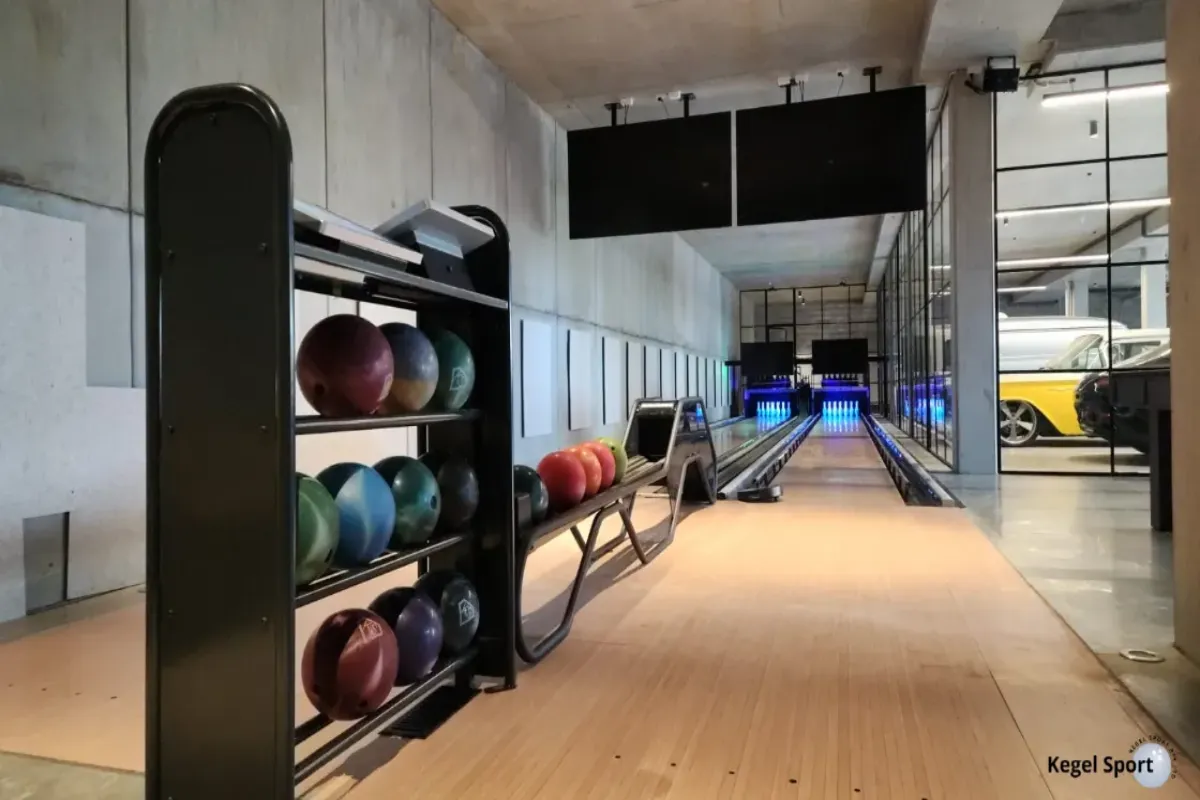
The company offers both traditional tenpin and European-style Kegel nine-pin bowling systems. It also designs shortened and customised lanes where a full-length bowling alley cannot be accommodated.
Kegel Sport’s Australian-made installations combine Australian planning and construction with German-engineered bowling components and string-pinsetter technology.
Kegel Sport’s systems may include:
Kegel Sport’s role is not to claim ownership of the historical European concept. Its contribution has been to bring European bowling knowledge and technology into modern Australian homes, businesses and entertainment venues.
Kegel Sport’s 2022 Soldiers Point Installation
Kegel Sport’s dated company records identify its first documented no-gutter compact bowling installation as the system constructed in 2022 at BIG4 Ingenia Holidays Soldiers Point in Port Stephens, New South Wales.
The project required Kegel Sport to create a tailored bowling system that would fit inside a smaller, pre-existing hall.
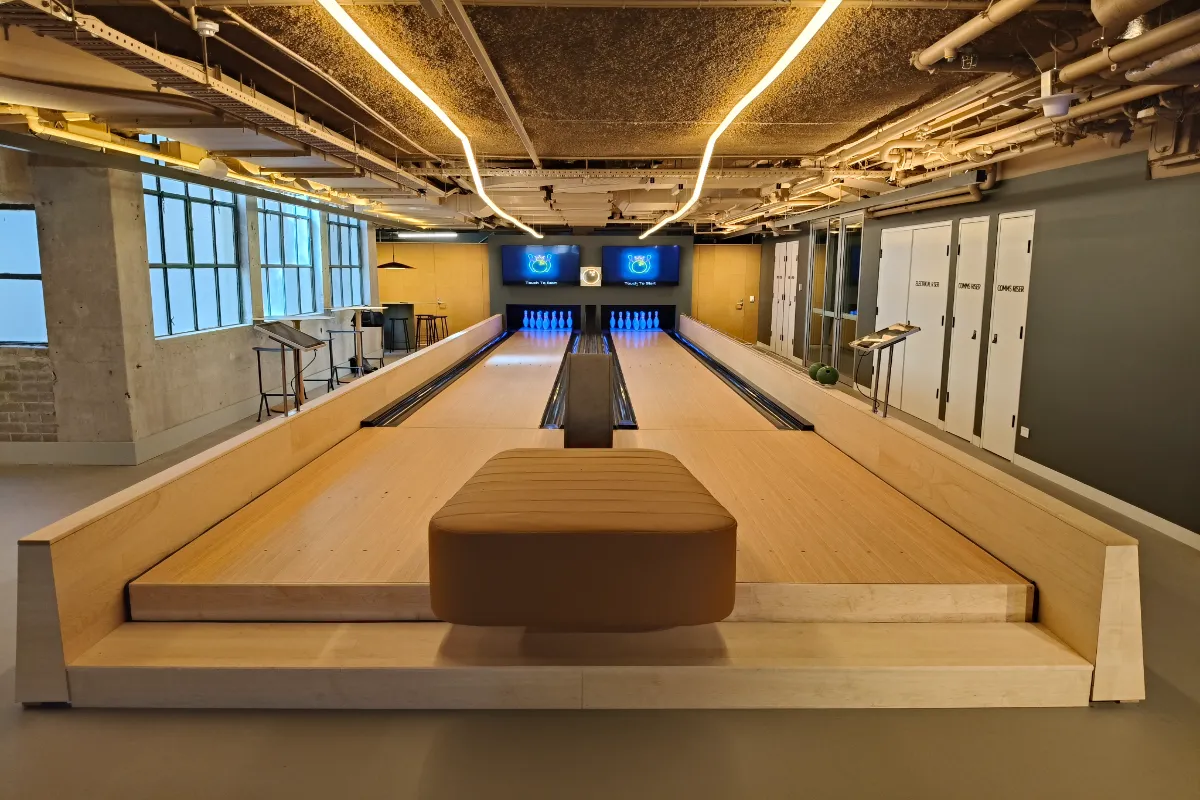
Kegel Sport designed and installed two shortened lanes using side boundaries rather than conventional open gutters. Kegel Sport refers to this established European-style no-gutter concept as a Bandenbahn.
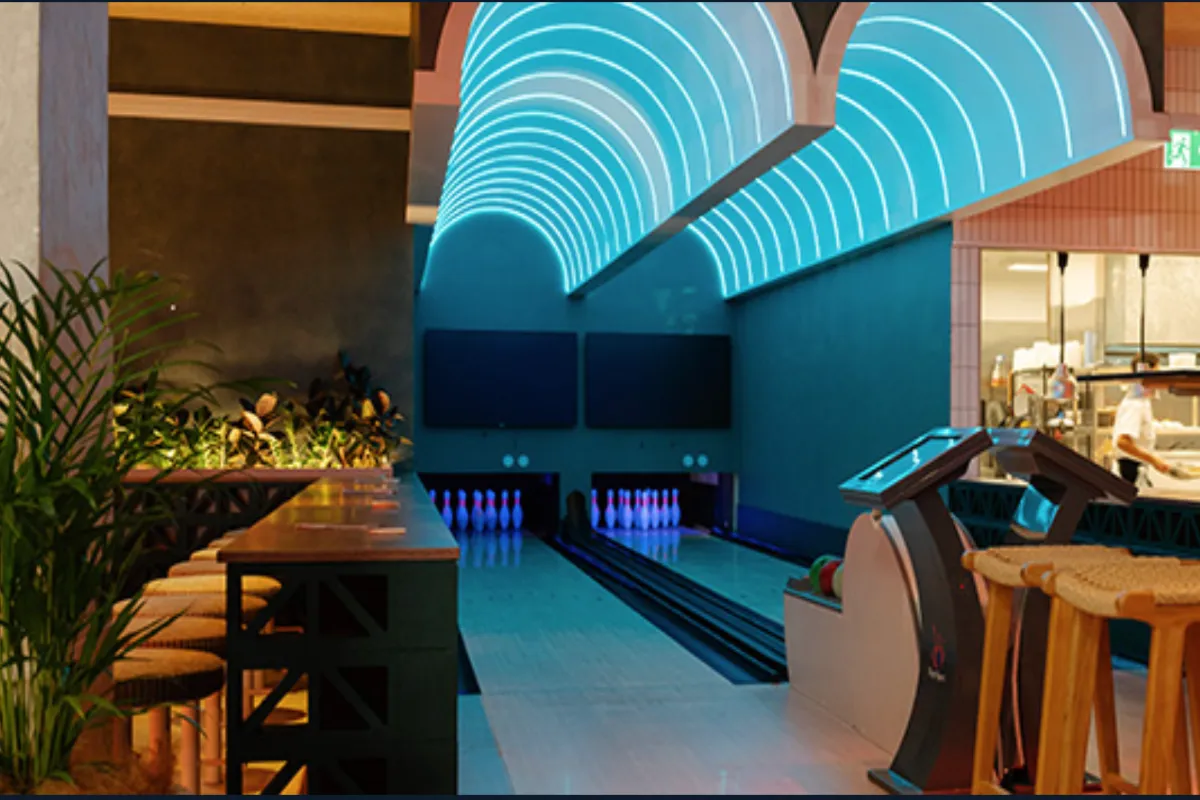
The completed installation provided the holiday park with an all-weather family attraction featuring two bowling lanes, games, challenges and neon lighting. Kegel Sport’s project page publicly identifies the Soldiers Point installation as its shortened bowling system, while BIG4 and Ingenia Holidays publicly display and promote the venue’s two-lane bowling alley.
The 2022 Soldiers Point project combined:
This installation was completed before the more recent Australian marketing of similar compact no-gutter bowling systems under the name “Kern Bowling.”
Publicly Available Evidence
Evidence of Kegel Sport’s involvement in the Soldiers Point bowling installation is publicly available.
The Kegel Sport website includes a dedicated project page titled Short Double Lanes at Soldiers Point. It states that Kegel Sport installed a shortened bowling system at BIG4 Ingenia Holiday Park to fit inside a smaller, pre-existing hall.
The main Kegel Sport website also includes a testimonial connected with Soldiers Point and describes Kegel Sport’s customised bowling installations, German engineering and Australian craftsmanship.
Independent public evidence is also available:
BIG4 describes the Soldiers Point facility as a two-lane tenpin bowling alley and states that the installation took approximately one month;
the BIG4 article describes the facility as an industry-first attraction for the holiday park sector;
the Ingenia Holidays website lists the bowling alley as one of the park’s features; and
photographs of the completed bowling lanes appear on the Kegel Sport, BIG4 and Ingenia Holidays websites.
Kegel Sport also holds supporting internal evidence, including dated photographs, project records, technical documents, customer information and business records associated with the design and construction of the 2022/2023 installation.
Together, these records document Kegel Sport’s early involvement in introducing modern compact, no-gutter bowling systems into Australian holiday and entertainment venues.
What Does “Kern” Mean?
The word Kern is German, but it is not the traditional German name for a bowling lane or bowling system.
Depending on the context, Kern can mean:
For example, Kern may refer to the stone or seed of a peach, plum or cherry. It can also describe the central or essential part of an idea, object or organisation.
When used as a modern product name, “Kern” may suggest the core or essential elements of bowling. However, the word itself does not mean that compact bowling, shortened lanes or side-bounded no-gutter systems were newly invented.
The traditional European term Bandenbahn more directly describes a lane that uses side boundaries.
An Established Tradition That Continues to Evolve
Bowling has never belonged to one person, one company or one country.
Nine-pin bowling developed through centuries of European Kegeln traditions. Tenpin bowling evolved from earlier pin-bowling games and became an international sport. German settlers brought Kegeln to Australia during the nineteenth century, and modern tenpin bowling expanded across Australia during the twentieth century.
German manufacturers such as AHLBORN have produced nine-pin and tenpin bowling systems for more than 100 years.
Kegel Sport continues this tradition in Australia by combining:
The 2022 Kegel Sport installation at BIG4 Ingenia Holidays Soldiers Point forms an important part of this continuing history. It demonstrates how the established European Bandenbahn principle can be adapted into a modern, compact and family-friendly Australian bowling experience.
European Engineering. Australian Craftsmanship. Custom Bowling Solutions.
From traditional Kegel nine-pin bowling to full-length tenpin lanes and modern compact no-gutter systems, Kegel Sport creates customised bowling experiences designed around each customer’s venue, space and vision.
Our dedicated team are proud to build and install our bowling lanes in line with Australian standards and a touch of Aussie pride.
We all know that German engineering is amongst the best in the world, so we only use the best components in your bowling alley.
Our Products are built to last but like all mechanical things there is maintenance required, thankfully because of German string setter technology maintenance is minimal
Kegel Sport Pty Ltd offers comprehensive solutions for both Tenpin (10-pin) and Kegel (9-pin) bowling systems.
Our dedication to quality guarantees a unique and exceptional addition to any home or venue.
If you’re considering a Tenpin or Kegel 9-pin bowling alley to your home, Kegel Sport is the ideal partner to help you plan and execute the project. We offer a range of layout options and can provide detailed information on structural requirements.
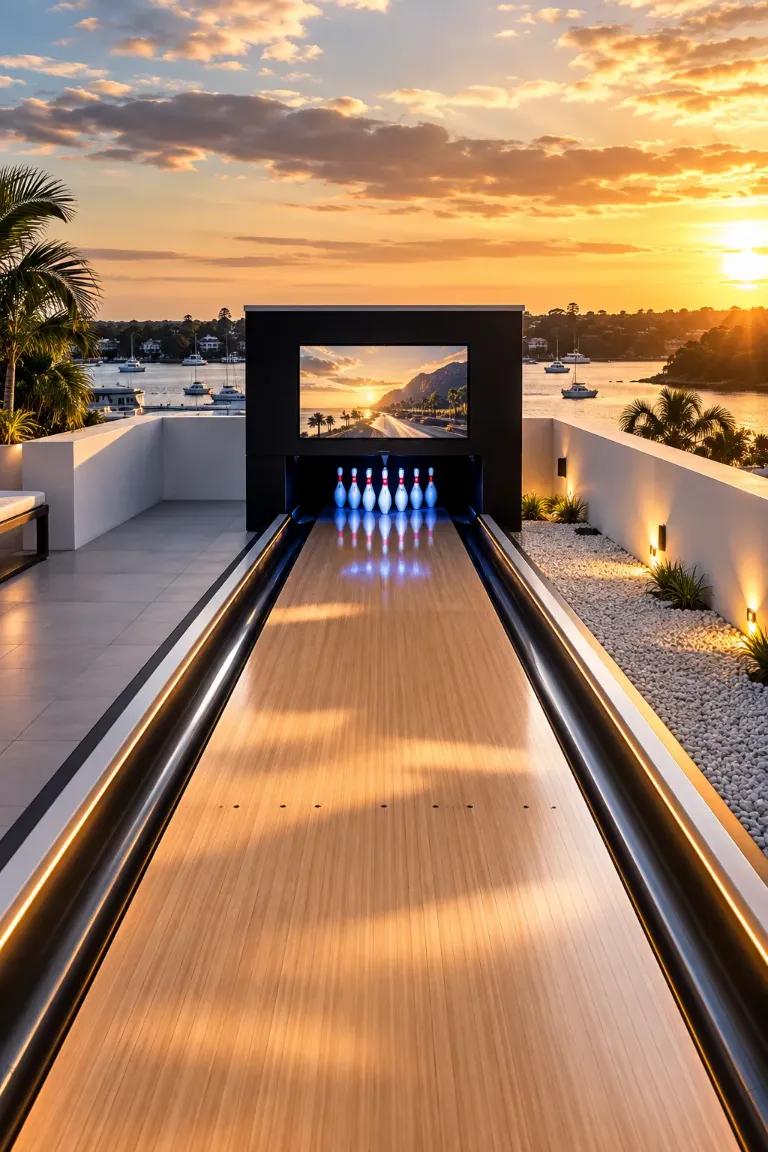
Don’t be concerned about the length of a full-size bowling lane; we specialise in designing custom solutions, including scaled-down versions that can fit in most spaces.
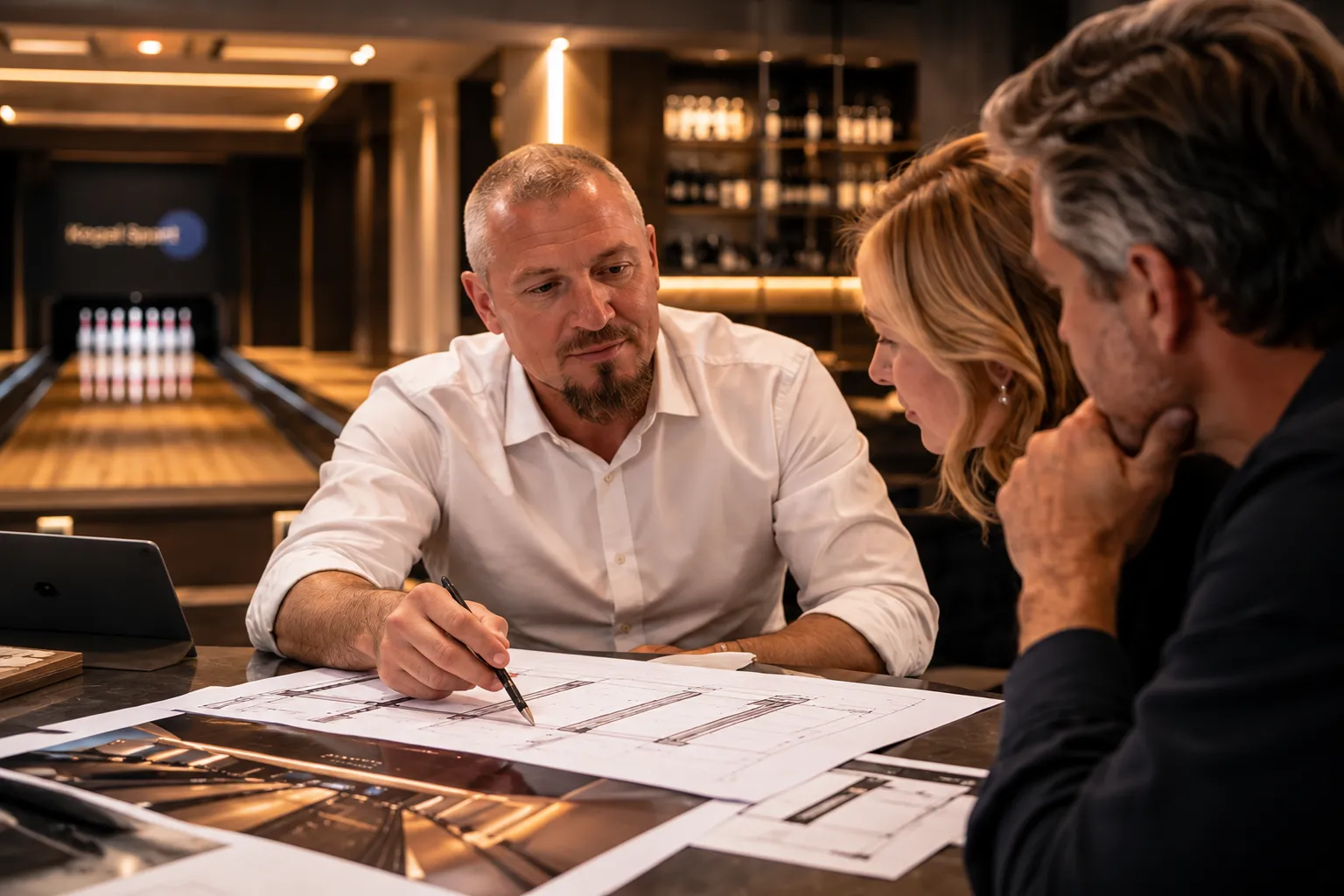
Reach out to us with your floor plan, and we will develop a tailored, workable proposal. We have extensive experience installing full-length Tenpin lanes, full-length Kegel 9-pin lanes, mini-Tenpin lanes, and customised versions of both Tenpin and Kegel 9-pin bowling alleys. Kegel Sport handles every aspect of the installation, from planning to completion, and we ensure continued support through after-sales service and expert advice.
Kegel Sport Pty Ltd offers a comprehensive range of bowling equipment for both Kegel 9-pin and Tenpin bowling. Our products include lane surfaces, pinsetters, ball returns, ball collectors, pins, balls, and games software.
We also specialise in custom-sized lanes, designed to meet your specific needs. These can be built as free-standing units or integrated into your space and are available for both Tenpin and Kegel bowling systems. Our custom lanes come complete with lane surfaces, pinsetters, ball returns, ball collectors, pins, balls, and games software.
With Kegel Sport’s custom-built bowling lanes, you can bring the excitement of a professional bowling experience right to your doorstep.
Whether you prefer the classic Tenpin (10-pin) or the European-style Kegel (9-pin) bowling, our home bowling alleys are designed to fit seamlessly into your space, creating an unforgettable entertainment hub for family and friends. Perfect for home entertainment rooms, man caves, or even outdoor spaces, our lanes are engineered to bring fun and joy to any setting.